
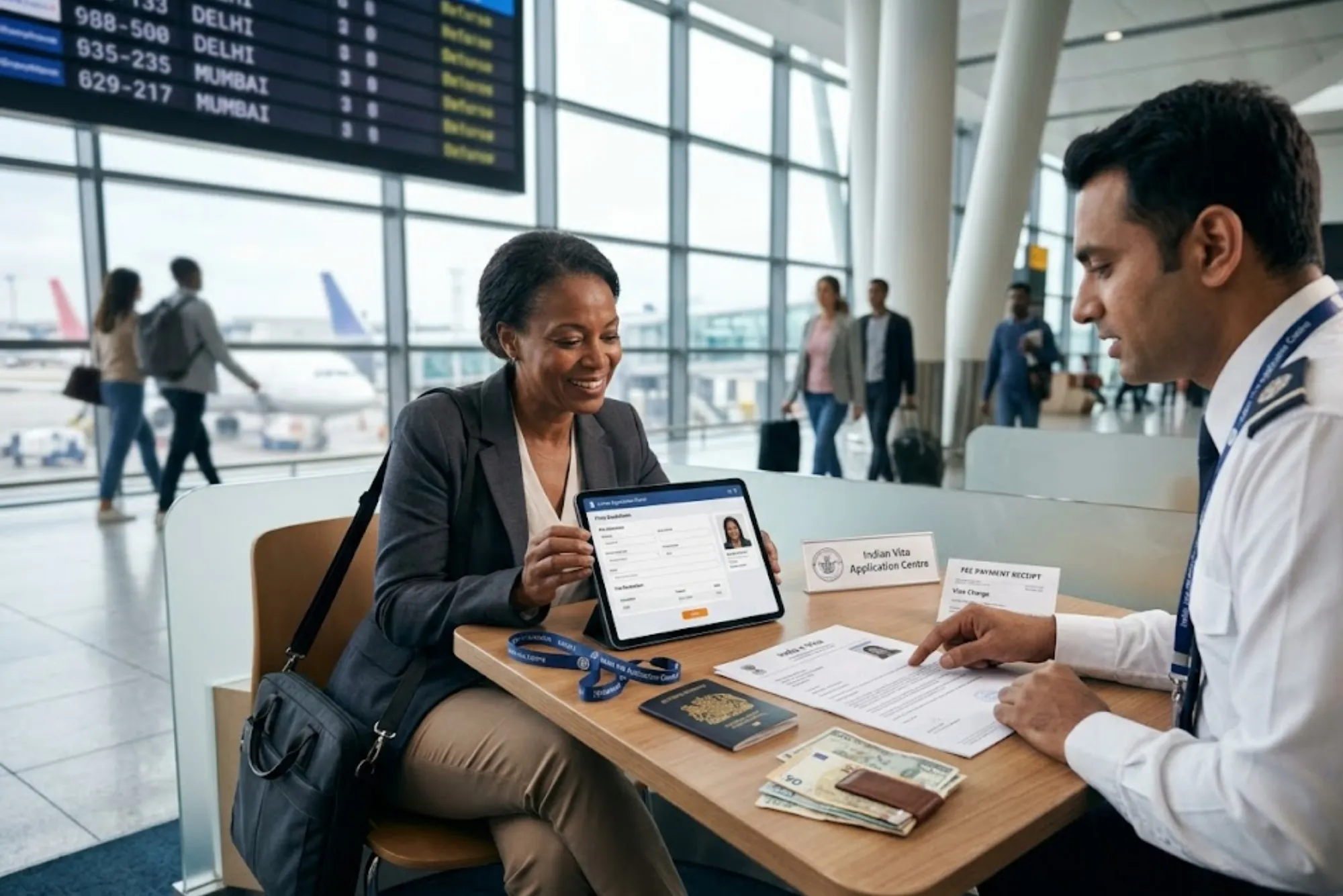
India remains one of the most visited destinations in Asia thanks to its cultural diversity, spiritual tourism, business opportunities, medical travel, and affordable long-term experiences. But before booking flights or planning itineraries, travelers are paying much closer attention to one thing in 2026: visa costs.
Indian visa pricing has become more layered over the years. The total amount travelers pay now depends on visa type, nationality, processing speed, service fees, and additional handling charges. Many travelers only notice the advertised base fee and overlook hidden costs that appear later in the application process.
Travel planning trends show that visa budgeting has become just as important as flights and accommodation. Similar pricing-focused travel research can also be seen across destinations covered in detailed travel cost resources like international visa pricing guides.
Understanding Indian Visa Types in 2026
India offers multiple visa categories depending on the purpose of travel. Each visa type comes with different pricing structures, validity periods, and processing conditions.
| Visa Type | Purpose | Typical Validity | Pricing Range |
|---|---|---|---|
| Tourist Visa | Leisure travel | 30 days to 5 years | Low to Medium |
| Business Visa | Commercial activities | 1 to 5 years | Medium to High |
| Medical Visa | Treatment purposes | Short-term | Medium |
| Student Visa | Education | Course duration | Variable |
| Conference Visa | Official events | Short-term | Low |
The majority of international visitors continue using tourist eVisas due to convenience and faster processing times.
Indian Tourist Visa Fees in 2026
Tourist visa costs vary significantly depending on nationality, duration, and visa category. India’s electronic visa system has simplified applications for many travelers, but fees are still not universal.

Most travelers can expect pricing differences based on:
- Nationality
- Visa validity period
- Single-entry or multiple-entry access
- Peak travel seasons
- Urgent processing requests
Tourist visas are generally the most affordable category, especially short-term eVisas designed for leisure travelers.
Complete Breakdown of Indian Visa Charges
The advertised visa fee is rarely the final amount travelers pay. Understanding the complete pricing structure helps avoid unexpected costs during the application process.
| Charge Type | What It Covers | Mandatory or Optional |
|---|---|---|
| Government Visa Fee | Official visa approval cost | Mandatory |
| Processing Charges | Application handling | Mandatory |
| Payment Gateway Fees | Online transaction processing | Mandatory |
| Service Agency Charges | Third-party assistance | Optional |
| Urgent Processing Fee | Faster approval | Optional |
| Document Translation/Printing | Additional preparation | Optional |
Travelers applying independently often save money by avoiding unnecessary agency charges.
How Indian eVisa Pricing Works
India’s eVisa system remains the most popular application route for tourists in 2026. It allows travelers from eligible countries to apply online without visiting embassies or consulates.
However, eVisa prices fluctuate depending on travel season and visa duration.
Common eVisa Durations
Short-term tourist eVisas usually remain cheaper than long-term multiple-entry visas. Travelers planning extended stays or multiple visits often pay higher fees due to broader travel permissions.
Seasonal tourism demand also influences pricing indirectly through service fees and faster processing demand during holidays and festival periods.
Factors That Affect Indian Visa Costs
Several elements influence the final price travelers pay for Indian visas.
Nationality-Based Pricing
Visa reciprocity agreements cause different countries to receive different fee structures. Two travelers applying for identical visas may pay entirely different amounts based solely on nationality.
Processing Speed
Standard processing typically costs less than urgent or express applications.
Application Method
Applying directly through official systems usually reduces costs compared to agency-assisted applications.
Travelers planning broader international journeys often compare visa costs across multiple destinations before finalizing itineraries. Similar comparisons appear in guides discussing topics like Ethiopian online visa pricing in 2026.
Tourist Visa vs Business Visa Costs
Business visas generally cost more because they provide broader permissions and longer validity periods.
| Feature | Tourist Visa | Business Visa |
|---|---|---|
| Primary Purpose | Tourism | Commercial activities |
| Average Cost | Lower | Higher |
| Validity | Short to medium-term | Long-term |
| Documentation | Simpler | More extensive |
| Approval Complexity | Lower | Moderate |
Travelers should choose carefully because applying under the wrong category can cause delays or rejection.
Medical Tourism Is Influencing Visa Demand
India remains a major destination for medical tourism due to comparatively affordable healthcare services and internationally recognized hospitals.
Medical visa applications continue increasing in 2026, particularly for specialized treatments, surgeries, and wellness-related procedures.
The growth of healthcare travel has also influenced visa processing efficiency in some regions. Travelers researching treatment destinations often compare healthcare infrastructure and visa accessibility together. Broader discussions surrounding health-focused international travel continue shaping modern medical tourism decisions.
How Long Does Indian Visa Processing Take?
Processing times depend on application volume, nationality, visa type, and whether additional verification is required.
| Processing Type | Estimated Time | Cost Impact |
|---|---|---|
| Standard Processing | 3–7 business days | Lower |
| Priority Processing | 1–3 business days | Higher |
| Embassy Processing | Varies by country | Variable |
Travelers applying during high-demand travel seasons may experience longer waiting periods.
Hidden Costs Travelers Often Ignore
Many applicants underestimate additional expenses associated with visa applications.
Common overlooked costs include:
- Passport photo services
- Document scanning and printing
- Currency conversion fees
- Bank transaction charges
- Travel insurance requirements
- Courier or embassy submission fees
While these costs may seem small individually, together they can significantly increase the overall application budget.
Common Mistakes That Increase Visa Expenses
Some travelers accidentally create extra costs by rushing applications or misunderstanding visa requirements.
Using Unverified Agencies
Third-party agencies sometimes charge excessive service fees while offering little added value.
Applying Too Late
Last-minute applications often force travelers into expensive urgent processing options.
Selecting the Wrong Visa Type
Incorrect visa categories may require reapplication, resulting in duplicate fees.
Experienced travelers usually begin visa planning alongside flight budgeting to avoid unnecessary financial pressure. Cost planning has become increasingly important across modern travel sectors, including international airfare research like global airline ticket pricing.
Should Travelers Use Visa Agencies in 2026?
Visa agencies continue playing a role for travelers who want convenience or assistance navigating documentation requirements.
However, the growing simplicity of online visa systems means many travelers can successfully apply independently.
Agencies may still prove useful for:
- Complex visa categories
- Urgent travel situations
- Business documentation assistance
- Travelers unfamiliar with online applications
The key is understanding exactly what service fees cover before paying additional charges.
How India’s Tourism Growth Affects Visa Systems
India’s tourism industry continues expanding rapidly in 2026. International tourism growth influences everything from airport infrastructure to digital visa modernization.
As competition among global travel destinations increases, many countries are simplifying visa procedures to attract more visitors.
India’s eVisa expansion reflects this broader trend toward faster, more accessible international travel systems.
Travel demand patterns also reveal that travelers increasingly combine cultural tourism with shopping, food exploration, and regional experiences. Similar travel planning behaviors appear across destination-focused guides like popular travel experiences throughout Thailand.
Expert Tips for Reducing Indian Visa Costs
Experienced travelers often use simple strategies to avoid unnecessary spending.
Apply Early
Early applications reduce the likelihood of paying urgent processing fees.
Use Official Channels
Direct applications usually eliminate third-party service markups.
Double-Check Documents
Incomplete or incorrect applications may result in costly delays or reapplications.
Choose the Correct Validity Period
Some travelers overpay for longer-duration visas they never fully use.
What Travelers Should Expect in 2026 and Beyond
Visa systems worldwide are becoming increasingly digital, automated, and security-focused. India is expected to continue modernizing its visa infrastructure over the next several years.
Biometric verification, AI-assisted screening, and integrated travel authorization systems may further streamline future applications while strengthening security checks.
Travelers should also expect ongoing adjustments to pricing structures due to currency fluctuations, geopolitical agreements, and tourism demand patterns.
Understanding visa costs will likely remain an essential part of international travel planning rather than a simple administrative step.
Conclusion
Indian Visa Prices in 2026: Latest Fees, Cost & Charges reflects how international travel planning has become more detailed and financially strategic than ever before.
While India continues offering accessible travel opportunities for tourists, business visitors, and medical travelers, understanding the full breakdown of visa-related expenses helps travelers avoid surprises and budget more effectively.
From government fees and processing charges to optional agency services and hidden costs, careful preparation can significantly reduce stress during the application process.
As global travel continues evolving, informed travelers who understand visa systems thoroughly will always enjoy smoother and more efficient international journeys.
FAQs
How much does an Indian tourist visa cost in 2026?
The cost depends on nationality, visa duration, and processing type. Short-term tourist eVisas are generally the most affordable option.
Are Indian eVisas cheaper than embassy visas?
In many cases, eVisas reduce processing complexity and associated service costs compared to traditional embassy applications.
Do Indian visa fees include service charges?
Not always. Additional charges such as payment processing, agency fees, or urgent handling may apply separately.
How long does Indian visa processing take?
Standard processing usually takes several business days, while priority applications may be completed faster for additional fees.
Can travelers apply for Indian visas without agencies?
Yes. Many travelers successfully apply independently through official online visa systems.
Related Reading: Golden Visa Prices in 2026: Visa Charges and Fee Guide — full guide
Related Reading: UK Visa Prices in 2026: Latest Fees, Cost & Charges