
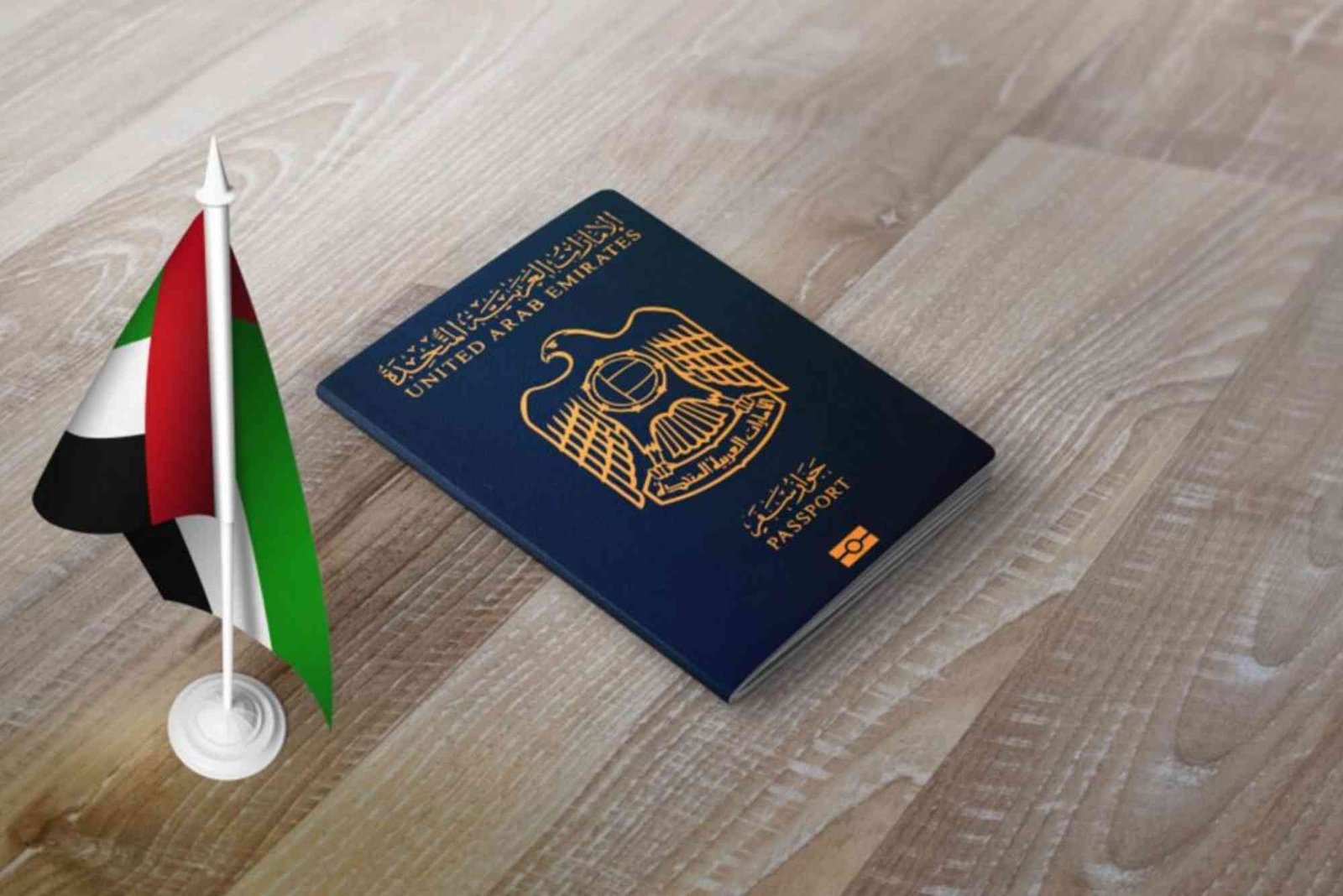
Residence Visa Price in Dubai in 2026: What You Need to Pay
Dubai continues to attract professionals, entrepreneurs, investors, and families from around the world. Its strong economy, modern infrastructure, tax-friendly environment, and high quality of life make it one of the most desirable places to live. Before relocating, however, it is essential to understand the Residence Visa Price in Dubai in 2026: What You Need to Pay. Knowing the complete cost helps you prepare your budget and avoid unexpected expenses during the application process.
The Residence Visa Price in Dubai in 2026: What You Need to Pay depends on several factors. These include the visa category, validity period, sponsor type, medical examination, Emirates ID fees, and visa processing charges. While prices vary according to individual circumstances, understanding the complete fee structure makes the process much easier.
Many applicants assume that the visa fee is the only expense involved. In reality, there are several government charges that together make up the total cost. Therefore, learning about each step before applying can save both time and money.
Understanding the Residence Visa Price in Dubai in 2026: What You Need to Pay
The Residence Visa Price in Dubai in 2026: What You Need to Pay generally includes entry permit charges, status adjustment fees where applicable, medical fitness testing, Emirates ID application fees, visa stamping, and administrative service charges.
Applicants sponsored by employers often have many of these expenses covered by the company. On the other hand, family-sponsored residents, investors, freelancers, and business owners are usually responsible for paying the applicable government fees themselves.
The final amount also depends on whether you are applying from inside the UAE or outside the country. Applications submitted within the UAE often include status adjustment charges that are not required for applicants entering with a fresh entry permit.

| Expense | Estimated Cost Range (AED) |
|---|---|
| Entry Permit | 500–1,200 |
| Medical Fitness Test | 300–800 |
| Emirates ID | 370–1,200 |
| Residence Visa Stamping | 500–900 |
| Status Change (if applicable) | 600–1,300 |
| Medical Insurance | 700–5,000+ |
| Total Estimated Cost | 3,000–7,500+ |
These estimates may vary depending on the visa category, processing speed, and government regulations during 2026.
Factors That Affect Residence Visa Costs
Several important factors influence the Residence Visa Price in Dubai in 2026: What You Need to Pay. The duration of the visa is one of the biggest considerations. Two-year, three-year, five-year, and ten-year visas each have different government charges.
Your sponsorship category also matters. Employment visas, investor visas, Green Visas, Golden Visas, and family visas follow different fee structures. Premium processing services can further increase the total amount if you require urgent approval.
Medical insurance is another important expense. Dubai requires valid health insurance for most residence visa holders. Insurance premiums vary according to age, coverage, and provider, making this one of the largest variable costs during the application process.
Applicants should also remember that Emirates ID validity generally matches the residence visa duration, meaning longer visas require higher ID fees.
Many people comparing visa options also review the Dubai Visa 3 Months Price in 2026: What You Need to Pay before deciding whether a temporary stay or long-term residency better suits their plans.
Government Fees Included in Residence Visa Applications
Every residence visa application includes several mandatory government services. The immigration authority first reviews your eligibility before issuing the entry permit or approving a status adjustment. After that, applicants complete a medical examination at an approved medical center.
The medical fitness examination typically includes blood testing and a chest X-ray. Once approved, applicants receive eligibility to continue the residence visa process.
The Emirates ID application follows next. This national identity card serves as the primary identification document for residents across the UAE. It is required for banking, telecommunications, healthcare, employment, housing, and many government services.
Finally, residence visa approval is completed after all government requirements have been satisfied.
Medical Examination and Emirates ID Charges
The medical fitness examination remains one of the mandatory steps in obtaining a Dubai residence visa. Standard processing usually costs less than express medical services, although both provide the same official results.
After passing the medical examination, applicants receive approval to proceed with their Emirates ID registration. Biometric information such as fingerprints and facial recognition may be collected depending on the applicant’s previous records.
Because the Emirates ID remains valid for the same period as the residence visa, applicants with longer visas typically pay higher government fees.
Understanding these requirements helps applicants accurately estimate the Residence Visa Price in Dubai in 2026: What You Need to Pay before starting the process.
Residence Visa Renewal Costs
Residence visas eventually expire and require renewal. Fortunately, the renewal process closely resembles the initial application. Applicants generally complete another medical examination, renew their Emirates ID, maintain valid medical insurance, and pay government renewal charges.
Renewing before the expiry date helps avoid fines and unnecessary administrative complications. Many residents begin their renewal process several weeks before expiration to ensure uninterrupted legal residency.
Families sponsoring dependents should also monitor the expiry dates of every family member’s residence visa to avoid penalties.
Those considering longer-term travel flexibility often compare residency options with the 5-Year Multiple Entry Visit Visa UAE Price for Pakistani in 2026: What You Need to Pay, especially when frequent international travel is part of their lifestyle.
Tips to Reduce Residence Visa Expenses
Planning ahead is one of the easiest ways to reduce the overall Residence Visa Price in Dubai in 2026: What You Need to Pay. Choosing standard processing instead of express services often lowers costs without affecting approval.
Applicants should also ensure every required document is complete before submission. Missing paperwork frequently results in delays, additional service charges, or repeated visits to immigration centers.
Comparing medical insurance providers can also produce substantial savings while still meeting Dubai’s legal requirements. Many insurance companies offer affordable plans specifically designed for residence visa applicants.
Individuals relocating with family should calculate all dependent costs together to prepare an accurate immigration budget.
Living in Dubai After Receiving Your Residence Visa
Receiving a residence visa opens the door to many opportunities. Residents can legally work, establish businesses, sponsor eligible family members, open bank accounts, rent property, and access healthcare services.
Dubai also offers exceptional recreational opportunities beyond work and business. During weekends, many residents enjoy outdoor adventures throughout the UAE. Those interested in exploring nature can discover excellent mountain trails by visiting the Trail Guide Hiking Near Dubai: Routes, Distance & Tips, which showcases some of the region’s most popular hiking destinations.
Having a residence visa also provides greater stability compared to temporary visit visas, making long-term financial planning much easier.
Frequently Asked Questions
How much is the Residence Visa Price in Dubai in 2026?
The total cost usually ranges between AED 3,000 and AED 7,500 or more, depending on visa type, sponsorship, insurance, medical tests, and government processing fees.
What documents are required for a Dubai residence visa?
Applicants generally need a valid passport, passport photographs, entry permit if applicable, medical fitness certificate, Emirates ID application, health insurance, and sponsor-related documents.
Does an employer pay for a Dubai residence visa?
In many employment situations, employers cover most government fees. However, family-sponsored, investor, freelancer, and self-sponsored applicants usually pay the costs themselves.
How long does a Dubai residence visa take?
Most residence visa applications are completed within several working days after medical approval and document verification, although processing times vary depending on the application category.
Can family members be sponsored under a residence visa?
Yes. Eligible residents who meet the income requirements can sponsor spouses, children, and certain family members according to UAE immigration regulations.
Conclusion
Understanding the Residence Visa Price in Dubai in 2026: What You Need to Pay allows applicants to prepare financially before beginning the immigration process. Although costs vary according to visa type, sponsorship, insurance, and government requirements, careful planning makes the process smoother and more predictable.
Whether you are relocating for employment, business, investment, or family reasons, researching every fee in advance helps eliminate surprises. Compare your visa options, gather all required documents, and choose the application pathway that best fits your long-term goals. A well-prepared application not only saves money but also increases the chances of a faster and hassle-free approval.