
Introduction
Traveling in cold weather often makes packing feel like an overwhelming task. Bulky jackets, multiple layers, thick socks, and heavy boots can quickly fill your suitcase, leaving little room for essentials or souvenirs. However, traveling with minimal luggage in cold weather is possible with smart planning, versatile clothing, and clever packing strategies. Learning how to balance warmth, style, and convenience can make your journey lighter, easier, and more enjoyable.
Understanding the Challenge of Cold Weather Travel
Traveling in colder climates presents unique challenges. Unlike warm-weather trips where a few shirts and shorts can suffice, cold-weather travel requires careful consideration of clothing layers, thermal insulation, and accessories. People often overpack, fearing they won’t have enough warmth, which results in heavy bags, sore shoulders, and logistical hassles. The key is to pack smart, prioritize multipurpose items, and embrace layering techniques. With a minimalist approach, you can move freely, save money on baggage fees, and focus more on the experience than managing your luggage.
The Essentials of Cold Weather Packing
Choosing the Right Outerwear
Investing in a high-quality, lightweight jacket or coat is crucial. A well-insulated, water-resistant jacket serves multiple purposes, reducing the need for multiple heavy coats. Opt for neutral colors that match everything else in your wardrobe. A coat with a removable liner or a packable down jacket provides flexibility for changing temperatures. Look for jackets that compress easily to save space in your luggage without compromising warmth.
Embracing Layering
Layering is the cornerstone of traveling light in cold weather. Start with a moisture-wicking base layer to keep sweat away from your skin. Add an insulating mid-layer such as a fleece or lightweight down sweater. Top it with your outer shell for wind and rain protection. Each layer can be mixed and matched depending on temperature, reducing the number of items you need. Layering not only keeps you warm but also allows you to adapt to indoor heating, chilly streets, and sudden weather changes without extra bulk.
Choosing Multipurpose Clothing
When packing, prioritize clothing that serves multiple functions. A versatile sweater can be dressed up for dinner or worn casually during sightseeing. Thermal leggings can double as pajamas. Convertible pants that zip off into shorts may work for unpredictable climates. Neutral colors are easier to mix and match, creating several outfits from a few pieces. Every item should earn its place in your luggage by offering comfort, warmth, and adaptability.
Packing Accessories Wisely
Accessories can make or break your cold-weather travel experience. Hats, gloves, scarves, and socks provide warmth without taking up much space. Choose items that are compact and multifunctional, like a scarf that can serve as a blanket or a hat that covers your ears. Wearing your bulkiest items during travel, such as boots or jackets, can save significant luggage space. Avoid overpacking multiple pairs of similar accessories; one high-quality set is usually sufficient for a week or more.
Footwear Strategies
Shoes can take up a disproportionate amount of luggage space. Instead of packing multiple heavy boots, choose one versatile pair suitable for walking and cold conditions. Consider lightweight, waterproof boots or insulated sneakers. Pack one pair of compact, comfortable shoes for indoor or lighter activity. Using compression bags or shoe bags can keep your shoes separate from clothing while saving space and preventing dirt transfer.
Utilizing Packing Techniques
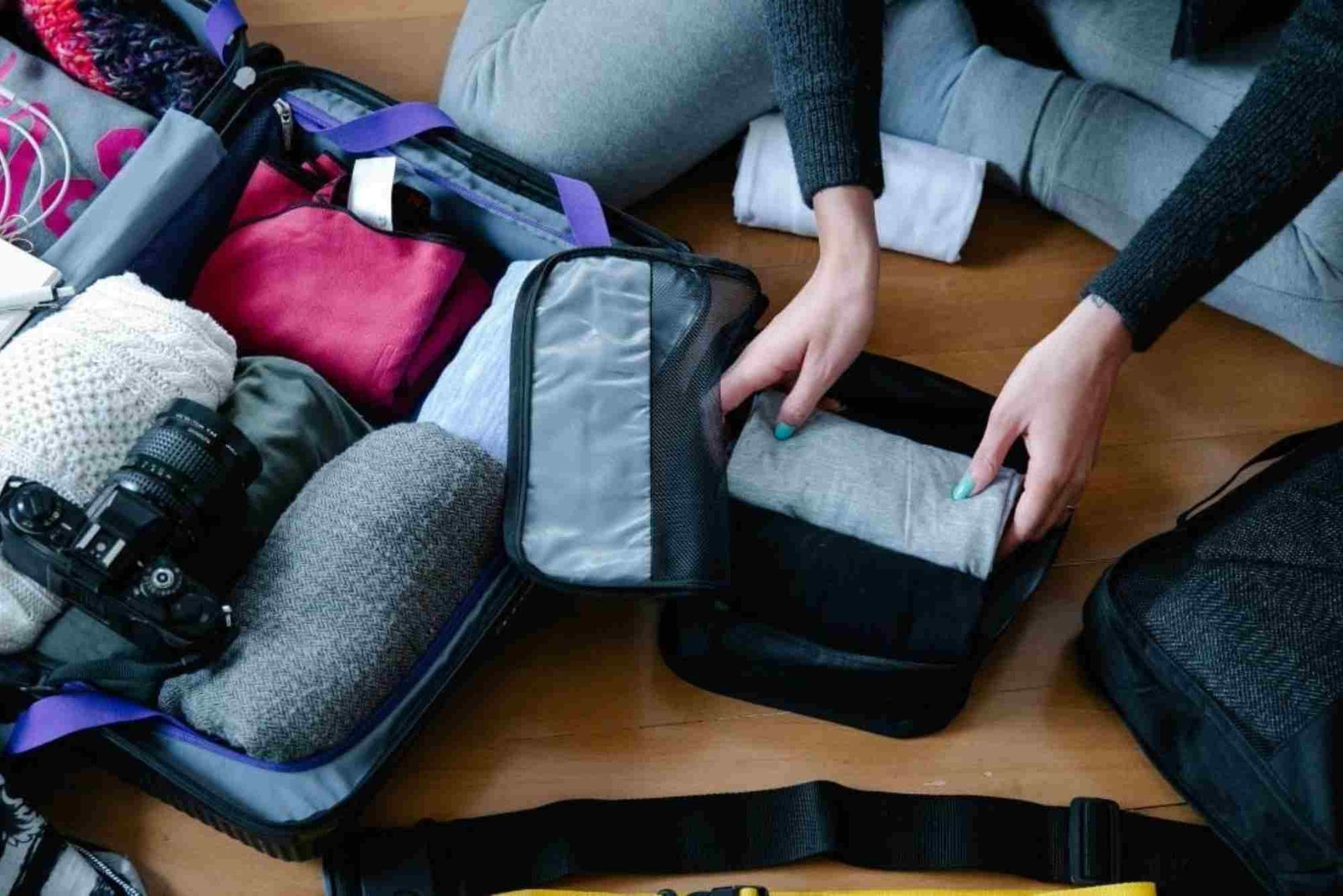
Efficient packing methods make a substantial difference when traveling light. Rolling clothes instead of folding reduces wrinkles and maximizes space. Compression packing cubes help organize layers and save room in your suitcase. Placing heavier items at the bottom of your bag and lighter items on top ensures balance and easier handling. Strategically layering items around your jacket or boots can prevent squishing and maintain clothing shape.
Choosing the Right Fabrics
Fabric choice greatly affects warmth and weight. Merino wool, down, synthetic fleece, and moisture-wicking materials offer warmth without excessive bulk. Avoid cotton as it retains moisture and loses insulation when wet. Lightweight fabrics that provide thermal retention are ideal for minimal packing. Investing in a few high-quality pieces made from these materials reduces the need for multiple clothing layers while keeping you warm in fluctuating temperatures.
Streamlining Toiletries and Essentials
Traveling light isn’t just about clothing. Minimize toiletries by opting for multipurpose products such as shampoo/conditioner combos or travel-size deodorants. Solid bars like soap, shampoo, and lotion reduce liquid weight and meet airline regulations. Pack small first-aid kits, reusable water bottles, and essential electronics efficiently, ensuring every item serves a purpose and occupies minimal space.
Planning Outfits and Laundry
Traveling with fewer clothes often means planning for laundry. Check if your accommodations provide laundry services or bring a small travel detergent for handwashing in sinks. Packing versatile clothing allows for repeated use without looking repetitive. Rotating base layers and sweaters, while washing as needed, ensures you maintain hygiene and variety with minimal items. This strategy reduces the temptation to overpack and keeps your luggage light throughout the trip.
Leveraging Travel Gear
Lightweight Backpacks and Suitcases
Choosing a lightweight, durable suitcase or backpack is essential. Hard-shell luggage may be protective, but soft-sided bags compress more easily. Consider carry-on sizes to avoid checked baggage, reducing wait times and baggage fees. Internal compartments and packing cubes optimize space while keeping items accessible. For backpackers or urban travelers, a well-fitted, compact backpack can hold all essentials without causing strain during long walks or public transport.
Travel-Friendly Gadgets
Tech accessories should be minimal but functional. A universal travel adapter, portable charger, and compact camera or smartphone are usually sufficient. Avoid bulky gadgets that occupy space and weight. Lightweight gadgets streamline your packing and prevent unnecessary clutter while ensuring you capture memories and stay connected during your trip.
Layering for Travel Days
On travel days, wear your heaviest layers. Bulky jackets, thick boots, and gloves can be worn on planes, buses, or trains, saving precious luggage space. Use scarves or hats as blankets on flights or in cold waiting areas. This approach allows you to bring fewer items while still staying warm, minimizing the need for extra bags or storage.
Strategies for Different Cold Weather Environments
Urban Travel
City trips often require flexibility for indoor and outdoor temperatures. Light layers with fashionable outerwear maintain comfort and style. Compact accessories and multipurpose shoes prevent overpacking while keeping you presentable in restaurants, museums, and theaters. Layered clothing allows for easy adaptation to changing environments such as heated cafes or cold streets.
Mountain or Outdoor Travel
When heading to mountainous or outdoor regions, prioritize insulation and waterproof gear. Thermal base layers, down jackets, and waterproof boots are crucial. Minimalist travelers can pack fewer but higher-quality items designed for extreme conditions. Outdoor trips may require one specialized jacket and layered clothing, allowing you to carry fewer items while staying safe in harsh climates.
Short Trips vs. Long Trips
For short trips, layering and versatile clothing reduce luggage to a carry-on. For longer journeys, plan laundry days and repeat clothing strategically. Combining multipurpose clothing with smart accessories allows even extended trips to remain manageable. Whether you travel for a weekend or two weeks, minimal packing ensures stress-free transport and efficient mobility.
Mental Shifts for Minimalist Cold Travel
Traveling light in cold weather isn’t just about physical items; it requires a mental shift. Prioritize experiences over clothing variety. Accept that you don’t need a different outfit for every day. Embrace layering and multifunctional items as practical and stylish solutions. This mindset helps you avoid overpacking and enables you to enjoy your journey without the burden of excessive luggage.
Traveling with minimal luggage in cold weather is achievable through careful planning, smart layering, and selecting versatile, high-quality clothing. By focusing on essentials, choosing compact and multifunctional items, and embracing efficient packing techniques, you can move freely, save time, and enjoy your trip more fully. Minimalist packing doesn’t compromise comfort or style—it enhances your travel experience. Start implementing these strategies on your next trip and experience the freedom of traveling light in even the coldest climates. Plan your wardrobe, pack strategically, and embrace layering to travel efficiently and comfortably. Your next cold-weather adventure can be stress-free, stylish, and light.
FAQs
How do I stay warm while traveling light in winter?
Use layering with a moisture-wicking base, an insulating mid-layer, and a water-resistant outer layer. Accessories like hats and scarves add warmth without bulk.
Can I travel with just a carry-on in cold weather?
Yes. Wearing your bulkiest items and packing versatile, compact layers allows you to travel light even in cold climates.
What fabrics are best for cold-weather minimal packing?
Merino wool, down, synthetic fleece, and moisture-wicking materials provide warmth without adding weight. Avoid cotton, as it retains moisture.
How can I manage laundry while traveling with minimal clothing?
Choose versatile clothing and plan laundry days at your accommodation. Pack small travel detergent for handwashing if needed.
Are packing cubes useful for cold-weather trips?
Absolutely. Packing cubes compress clothes, organize layers, and save luggage space, making minimalist travel easier and more efficient.