How to Keep Your Dog Calm During Hotel Stays (No Barking in Rooms)
Traveling with a dog can be enjoyable, but hotel stays can create unexpected challenges. New smells, unfamiliar sounds, strange people, and an unfamiliar room can make even a relaxed dog nervous. That anxiety may lead to whining, pacing, scratching, or barking.
Learning How to Keep Your Dog Calm During Hotel Stays (No Barking in Rooms) starts with understanding why your dog reacts differently away from home. With preparation, familiar items, exercise, and a consistent routine, you can make the hotel room feel safer.
A calm dog also makes the experience better for you, hotel staff, and other guests. Fortunately, you do not need complicated techniques. Small changes before and during your trip can make a meaningful difference.
Why Dogs Bark in Hotel Rooms
Dogs often bark because they feel uncertain about their surroundings. A hotel introduces many unfamiliar sounds and smells at once.
Your dog may hear footsteps outside the door, elevators moving, housekeeping carts, conversations, or doors closing. At home, these sounds may be rare or predictable.
Some dogs also become protective in unfamiliar environments. They may interpret hallway noises as potential threats.

Separation can create another problem. If your dog normally stays close to you, being left alone in a strange room can trigger anxiety.
Understanding the cause makes How to Keep Your Dog Calm During Hotel Stays (No Barking in Rooms) much easier to apply.
Prepare Your Dog Before the Hotel Trip
Preparation should begin several days before your journey. A dog that arrives tired and mentally prepared is often easier to settle.
Maintain your dog’s normal feeding and sleeping schedule whenever possible. Sudden changes can increase stress during travel.
Practice short periods away from home. Leave your dog alone briefly in a familiar environment and gradually increase the duration.
You can also introduce travel equipment before the trip. Let your dog become comfortable with its carrier, travel bed, or harness.
Positive associations matter. Reward calm behavior around these items rather than forcing your dog to use them.
Exercise Your Dog Before Checking In
Physical activity can help reduce excess energy before entering the hotel.
Take your dog for a suitable walk before check-in. Allow enough time for sniffing and exploring because these activities provide mental stimulation.
However, avoid exhausting your dog completely. Excessive exercise can leave some dogs overstimulated rather than relaxed.
A balanced walk followed by quiet time is usually more useful.
Once inside the hotel, take another short bathroom walk. Then return to the room and encourage your dog to settle.
This simple routine can make How to Keep Your Dog Calm During Hotel Stays (No Barking in Rooms) much easier.
Bring Familiar Items From Home
A hotel room smells completely different from home. Familiar objects can provide reassuring scents.
Bring your dog’s usual bed or blanket if possible. A favorite toy can also help create a familiar environment.
You may also bring a small item of clothing that carries your scent. This can be comforting for dogs that experience separation anxiety.
Keep the setup simple. Too many unfamiliar objects can create additional stimulation.
The goal is to make part of the hotel room feel familiar without overwhelming your dog.
Create a Quiet Hotel Room Setup
Room selection can have a major effect on your dog’s behavior.
If the hotel allows it, request a quieter room away from elevators, busy entrances, stairways, and high-traffic areas.
Close curtains if outside movement causes your dog to react. Keep the television at a comfortable volume if background noise helps mask hallway sounds.
White noise or gentle background audio can also reduce the impact of sudden noises.
Avoid repeatedly opening the door. Every hallway sound can become more interesting when your dog expects someone to enter.
A calm environment supports How to Keep Your Dog Calm During Hotel Stays (No Barking in Rooms) without relying on constant correction.
Reward Quiet Behavior
Reward-based training is particularly useful in unfamiliar environments.
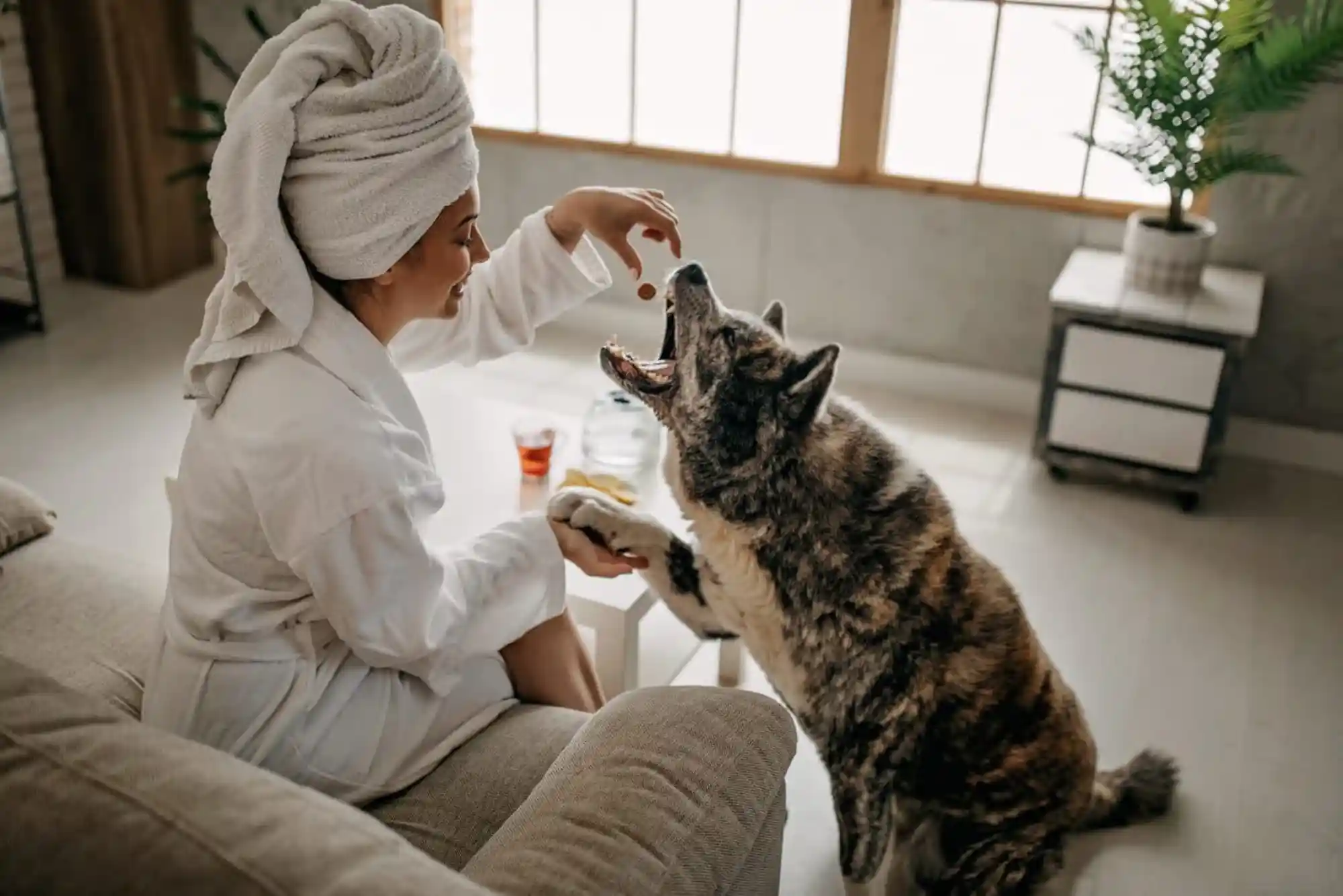
When your dog hears a noise and remains quiet, offer a small treat. This teaches your dog that calm behavior produces positive results.
Do not wait until prolonged barking begins. Reward relaxed behavior before your dog becomes highly excited.
You can also use a simple verbal cue such as “quiet” after your dog understands the desired behavior.
Keep your voice calm. Shouting can increase excitement and may make barking worse.
Over time, your dog can learn that strange sounds do not always require a response.
Use Familiar Commands
Hotel stays are not the ideal time to introduce complicated training.
Instead, use commands your dog already knows. “Sit,” “stay,” “down,” and “place” can provide structure in an unfamiliar room.
A familiar command gives your dog something predictable to focus on.
For example, ask your dog to settle on its bed after hearing a hallway noise. Reward the behavior when your dog remains relaxed.
Consistency is important. Everyone traveling with the dog should use the same commands and expectations.
Give Your Dog Mental Stimulation
A dog can become restless when confined to a hotel room.
Puzzle toys, food-dispensing toys, and safe chew items can provide mental stimulation. Choose products your dog already knows.
Avoid introducing a brand-new toy during a stressful trip. Your dog may ignore it completely.
Short training sessions can also keep your dog occupied. Practice simple commands for a few minutes at a time.
Mental activity can be especially helpful after physical exercise. Together, they encourage your dog to settle naturally.
Keep Your Normal Routine
Dogs often feel more secure when daily routines remain predictable.
Feed your dog at approximately the usual times. Maintain regular bathroom breaks and bedtime habits.
If your dog normally sleeps in a particular place, recreate that arrangement in the hotel room.
Avoid constantly changing activities simply because you are traveling. Your dog still benefits from familiar patterns.
This consistency is one of the most practical parts of How to Keep Your Dog Calm During Hotel Stays (No Barking in Rooms).
What to Do When Your Dog Starts Barking
If barking begins, remain calm. Immediately shouting may increase your dog’s excitement.
First, identify the trigger. Your dog may be reacting to hallway noise, another guest, an unfamiliar smell, or separation.
Reduce the trigger when possible. Close the curtains, move your dog away from the door, or use gentle background noise.
Then redirect your dog’s attention toward a familiar command or activity.
Reward the first moment of quiet behavior. Even a few seconds of calm can become the starting point for better behavior.
If your dog becomes highly distressed, focus on helping it feel secure rather than repeatedly demanding silence.
Should You Leave Your Dog Alone in a Hotel Room?
This depends on the dog’s temperament and the hotel’s rules.
Some dogs can remain alone calmly. Others become distressed as soon as their owner leaves.
Never assume your dog will behave exactly as it does at home. A new environment can change its reactions.
If you need to leave, begin with a short period. Return before your dog becomes distressed when possible.
Some hotels may prohibit unattended pets. Always check the property’s pet policy before leaving your dog alone.
If your dog has significant separation anxiety, consider dog-friendly activities that allow your pet to remain with you.
Hotel Stay Checklist
| Item | Why It Helps |
|---|---|
| Familiar bed | Provides a recognizable sleeping space |
| Favorite toy | Offers comfort and mental stimulation |
| Regular food | Maintains dietary consistency |
| Treats | Rewards calm behavior |
| Leash and harness | Supports safe hotel movement |
| Waste bags | Makes bathroom breaks easier |
| Puzzle toy | Provides mental enrichment |
| Familiar blanket | Adds comforting scent |
| Water bowl | Encourages normal hydration |
| Cleaning supplies | Helps manage unexpected accidents |
How to Keep Your Dog Calm During Hotel Stays at Night
Nighttime can be difficult because hotels become quieter. Small hallway sounds may suddenly become more noticeable.
Give your dog a bathroom break before bedtime. Then create the same sleeping routine you use at home.
Keep your dog’s bed in a comfortable location away from the hotel door.
If your dog reacts to every hallway noise, gentle background sound may help. Avoid playing anything loud or stimulating.
You should also avoid encouraging nighttime excitement. Keep interactions calm and predictable.
With repetition, your dog may learn that nighttime in a hotel is simply another opportunity to sleep.
Common Mistakes Dog Owners Make
One common mistake is correcting barking without addressing its cause.
Another is providing too much stimulation immediately after arrival. A busy lobby, long walk, unfamiliar room, and constant activity can overwhelm a nervous dog.
Some owners also leave dogs alone for too long during the first hotel stay.
Ignoring hotel pet policies can create problems as well. Always understand the property’s rules before booking.
Finally, avoid punishing fear-based behavior. Punishment can increase anxiety and make future hotel stays harder.
When Professional Help May Be Useful
Some dogs experience severe anxiety despite careful preparation.
Signs can include continuous barking, destructive behavior, excessive panting, trembling, repeated attempts to escape, or inability to settle.
In these situations, speak with a qualified veterinarian or certified canine behavior professional.
A professional can help identify the underlying trigger and develop an appropriate behavior plan.
For dogs with serious anxiety, preparation should begin well before the next trip.
Frequently Asked Questions
How do I calm my dog in a hotel room?
How can I make my dog comfortable in a hotel?
Bring familiar bedding, maintain your normal routine, and provide a quiet place to rest. Exercise your dog before settling into the room.
Why does my dog bark at hotel noises?
Hotel noises are unfamiliar and unpredictable. Your dog may interpret footsteps, doors, elevators, or voices as potential threats.
How do I stop my dog from barking at hotel doors?
Move your dog away from the door and reduce exposure to hallway activity. Reward quiet behavior whenever your dog hears a noise without barking.
Can I leave my dog alone in a hotel room?
Only if the hotel’s policy permits it and your dog can remain calm alone. Start with short periods rather than leaving for several hours immediately.
What should I bring for my dog to a hotel?
Bring familiar bedding, food, water equipment, treats, toys, waste bags, and any items your dog normally uses for comfort.
Conclusion
Successful hotel stays depend on preparation, routine, and understanding your dog’s behavior. Unfamiliar surroundings can create anxiety, but a calm approach can make the experience much easier.
Exercise your dog before settling in. Bring familiar items and choose a quiet room when possible. Reward calm behavior instead of punishing barking.
Most importantly, give your dog time to adjust. How to Keep Your Dog Calm During Hotel Stays (No Barking in Rooms) is not about forcing silence. It is about creating an environment where your dog feels safe enough to relax.
With consistent preparation, your next hotel trip can become a more comfortable experience for everyone.
Start preparing before your next journey, practice calm behavior at home, and make your dog’s familiar routine part of every hotel stay.