
Why Schengen Insurance Is Not Optional
Schengen visa insurance is not just a recommendation—it is a mandatory requirement for visa approval. Every applicant must show proof of coverage that includes emergency medical expenses, hospital care, and repatriation services. Europ Assistance is one of the providers commonly accepted because its policies meet embassy requirements across multiple European countries.
What makes this insurance particularly important is the strict minimum coverage threshold set by Schengen rules. Without valid insurance, your visa application may be rejected even if all other documents are complete.
How Europ Assistance Insurance Works for Visa Applicants
Europ Assistance provides travel insurance plans specifically designed for Schengen visa applicants. These plans are structured to match embassy requirements, which means they include emergency medical support, hospitalization coverage, and repatriation in case of serious incidents.
In 2026, the company continues to offer digital policy issuance, meaning travelers can purchase insurance online and receive instant documentation required for visa submission.
What Influences the Price in 2026?
The cost of Europ Assistance Schengen insurance is not random. It is calculated based on a few important factors that directly affect your premium.

- Duration of stay: Longer trips increase cost
- Age of traveler: Older travelers usually pay more
- Coverage limit: Higher protection increases premium
- Destination risk: Some regions may slightly adjust pricing
Even small changes in travel duration can shift the total cost significantly, especially for multi-month stays.
Europ Assistance Schengen Insurance Price Breakdown (2026)
Instead of a single fixed rate, Europ Assistance uses a flexible pricing model. Below is a simplified breakdown of typical 2026 pricing behavior based on common traveler profiles.
Short Trip Travelers (7–15 Days)
For short vacations, the insurance cost usually remains low and budget-friendly. Travelers typically pay around €10 to €25 depending on age and coverage add-ons. This is the most affordable category and is widely used by tourists visiting Europe for short holidays.
Medium Stay (15–30 Days)
For stays up to a month, prices generally increase slightly. Most applicants fall within the €25 to €45 range. This category is common among family visitors and seasonal travelers exploring multiple Schengen countries.
Extended Travel (1–3 Months)
Longer stays require more comprehensive coverage, especially for medical risk protection. Costs usually range between €45 and €90 depending on age and policy strength. Students and long-term tourists often fall into this category.
Annual Multi-Trip Coverage
Frequent travelers prefer yearly insurance plans. These typically cost between €120 and €250 annually. Although higher upfront, they are more cost-effective for those entering Europe multiple times a year.
What the Insurance Actually Covers
A common mistake travelers make is focusing only on price without understanding coverage. Europ Assistance Schengen insurance is designed to handle emergency situations that can become extremely expensive in Europe.
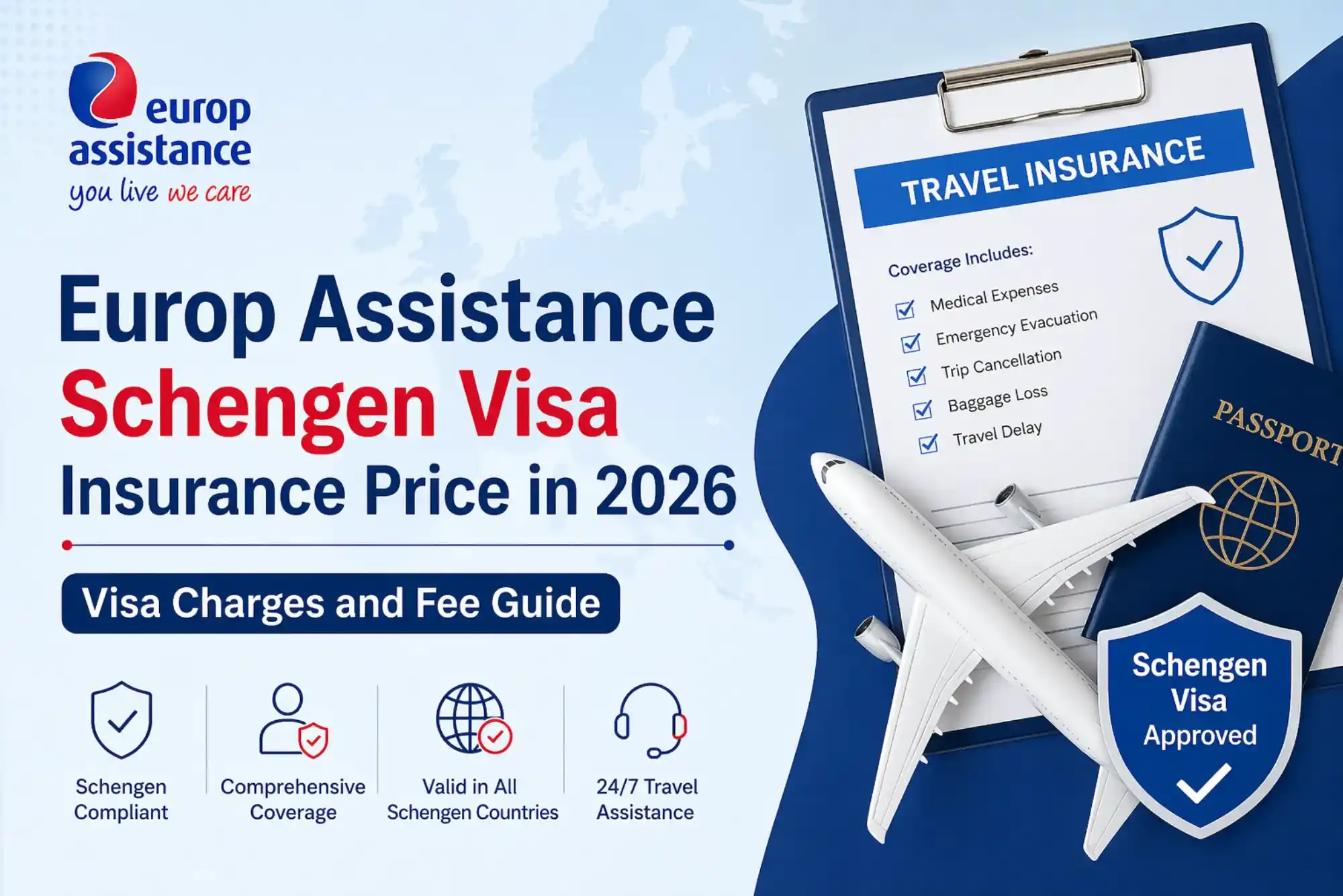
Coverage usually includes hospital treatment, emergency medical evacuation, repatriation of remains, and urgent medical assistance. Some plans also include baggage loss or travel delays depending on the package selected.
How the Pricing Feels in Real Terms
To simplify things, think of Schengen insurance as a small daily travel protection cost. In many cases, travelers spend less than the cost of a coffee per day for full medical coverage in Europe. This is why it is considered one of the most cost-efficient visa requirements.
When broken down, even a €40 policy for a 20-day trip equals only about €2 per day—significantly low compared to the potential medical costs in Europe.
Common Mistakes Travelers Make
Many visa applicants choose the cheapest insurance without checking embassy compliance. This can lead to rejection if the policy does not meet Schengen standards. Another mistake is buying insurance too late, which delays visa submission.
It is also common for travelers to underestimate trip duration, leading to coverage gaps that can become problematic during immigration checks.
Practical Tips Before Buying Insurance
Before purchasing Europ Assistance or any Schengen insurance, it is important to match your policy exactly with your visa duration. Even a small mismatch in dates can cause complications.
Travelers should also keep a digital and printed copy of their insurance certificate, as embassies and border officers may request verification.
For broader travel planning and related cost insights, you can explore general travel guides such as travel pricing breakdowns which help compare expenses across destinations.
Additional travel preparation tips and destination insights can also be found in editorial resources like this travel information platform, which focuses on structured travel planning content.
Final Perspective
Europ Assistance Schengen visa insurance remains one of the most reliable options for travelers heading to Europe in 2026. While pricing varies depending on individual factors, the overall cost is relatively low compared to the protection it provides.
Rather than viewing it as just another visa requirement, it is better understood as a safety layer that protects both your journey and your finances. For most travelers, it becomes a small but essential investment in a smooth European travel experience.