
Introduction
Imagine waking to crisp mountain air, the sun casting gold across ancient stones while you stand at the edge of a vast canyon. These are the moments that compel travelers to explore deeper. With rugged terrain, lush valleys, and coastal deserts, Peru presents some of the most breathtaking hiking routes in the world. In this photo‑essay, we celebrate Peru trails that promise adventure, culture, and unforgettable scenery. Whether you travel light or carry heavy gear, these paths across Peruvian landscapes offer something for every kind of explorer.
Why Peru Trails Captivate Travelers
Diverse Landscapes and Rich Culture
Peru trails traverse a dizzying range of ecosystems — from snow‑clad peaks to arid deserts, from cloud forests to coastal plains. This diversity means every trek offers a unique backdrop. You might start the morning hiking through Andean highlands, and by evening find yourself gazing over verdant valleys that cradle hidden villages. Alongside this geographic richness, many trails pass through zones shaped by millennia of indigenous culture. Ancient ruins, local markets, and village festivals give each journey cultural depth. For many, the blend of natural beauty and human history on Peru trails is as compelling as the views themselves.
Year‑Round Hiking Seasons
Another draw of Peru trails is their accessibility throughout the year — although different regions shine at different times. In the high Andes, the dry season (roughly May to September) offers crisp skies and stable weather. Meanwhile coastal and jungle-adjacent routes tend to stay mild even outside those months. For adventurers seeking solitude, shoulder seasons can offer quieter trails and soft light ideal for photography. In short, whether you travel in summer or winter, you’re likely to find a route that fits your timing and style.
Top Peru Trails You Must See
The Classic Path — Inca Trail
No discussion of Peru trails is complete without the renowned Inca Trail. This legendary route leads trekkers through misty highland forests, glacial streams, and vast undulating ridges. Along the way, ancient stone staircases and hidden ruins hint at a powerful civilization’s footprint. As you emerge at dawn above a misty valley and first glimpse the lost citadel, the reward feels almost mythic. The Inca Trail blends challenging terrain, rich heritage, and dramatic scenery — the defining trifecta of what makes Peru trails unforgettable.
The Lowland Beauty — Colca Canyon Trek
Descending hundreds of meters from high plateau edges, the Colca Canyon path reveals a dramatic shift in climate and terrain. Canyon walls loom steep and imposing, carved by ancient rivers that cleave through rock over millennia. Below you, terraces once used for farming cling to slopes, painted emerald and ochre from seasonal crops. As condors circle high above, the canyon’s vastness becomes tangible. Walking this trail feels meditative: dry air, rustling reeds, and a sense of timeless solitude. For hikers drawn to dramatic drops and desert‑mountain contrasts, this trail ranks among the most compelling of Peru trails.
Off‑Beaten Path — Cordillera Blanca Trails
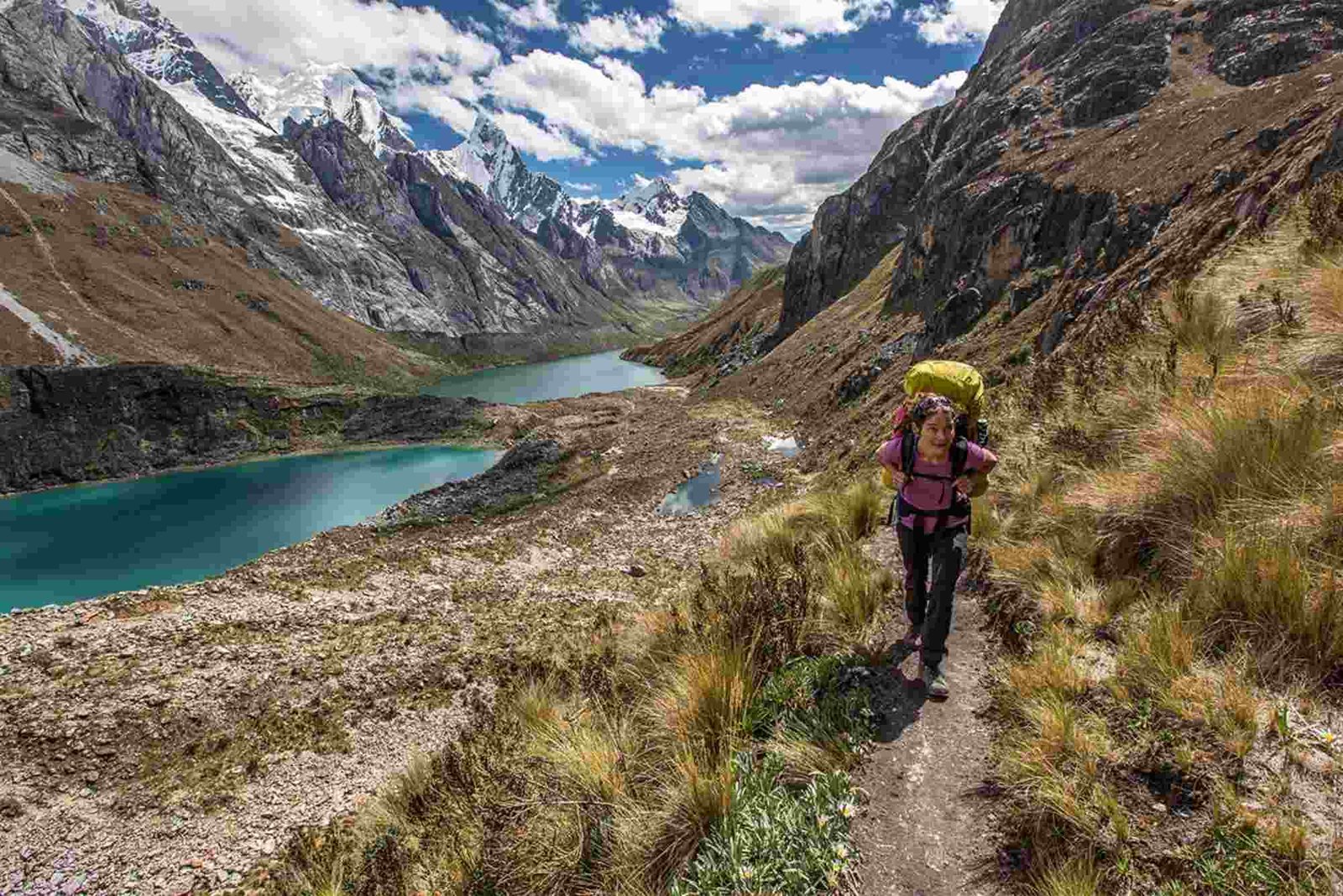
For trekkers seeking remote peaks, snowfields, and alpine lakes, the Cordillera Blanca range delivers. These trails climb through highland valleys hemmed by ice‑capped summits. Snowmelt feeds crystal-clear lakes that reflect peaks like mirrors. Villages nestled below ridges offer glimpses of daily Andean life — herders guiding llamas, children playing outside adobe homes, and villagers weaving textiles dyed with native plants. As altitude gains mount, the air shifts: it becomes thin, cold, and clear. The silence up there has a quality few have heard. Few paths on Earth rival the raw beauty and solitude found on some of the lesser-known Peru trails winding through the Cordillera Blanca.
Jungle & Coastal Blend — Ausangate Circuit and Desert-Coast Routes
Some Peru trails defy simple categorization. The Ausangate Circuit, for example, wraps around a sacred Andean peak and passes through glacial lagoons, high passes, hot springs, and alpine grasslands. You may spot vicuñas grazing near turquoise lakes, while herders offer shelter in rustic huts at night. On the other hand, coastal‑desert trails weave along sandy cliffs above the Pacific. These paths show a different side of Peru: wind‑sculpted dunes, hidden beaches, cormorants against golden sunsets, and small fishing villages surviving by ancient traditions. Hiking here feels elemental — you are exposed to sea, wind, and sky. For travelers wanting diversity in one trip, combining highlands with coastal or jungle hikes can turn an ordinary journey into an epic odyssey.
Tips for Photographing Peru Trails
Best Time of Day and Lighting
If you want striking visual memories, timing matters. Early morning light softly bathes valleys and ridges, giving stonework and vegetation a warm glow. In contrast, twilight brings surreal color across desert‑coast trails. For high‑altitude treks, midday sun reflects harshly on snow, so golden hour often produces the best contrast and depth. As you trek, pausing briefly at sunrise or sunset can reward you with photos that capture more than just terrain — they capture atmosphere, mood, and the soul of Peru trails.
Gear and Preparation
Even if you favor light travel, some basic gear helps. A sturdy hiking boot, layered clothing, and a reliable backpack make long days easier. A camera or smartphone with good low‑light capability extends your ability to shoot during sunrise or under cloud cover. Waterproof and windproof outerwear can protect you from unpredictable mountain weather. Lastly, carry water and snacks — remote trails don’t always offer shops or supplies. When prepared, you can relax, absorb the surroundings, and let the trail reveal its magic.
Essential Preparations Before You Head Out
You should know a few key factors before embarking on any of the famous Stunning Trails Across Peru You Need to See . First: altitude. Many routes climb above 3,500 meters. It helps if you arrive a few days earlier to acclimate. Second: permits and regulations. Certain trails — especially heritage routes — require advance booking due to conservation efforts. Third: local weather. Mountain weather can shift suddenly, so checking forecasts and packing accordingly matters. Finally: respect local communities. Many trails pass through villages with unique customs. Being courteous — greeting locals, carrying out trash, and staying on designated paths — helps protect fragile environments. With these in mind, you’ll enjoy a safer, more respectful trek across Peru trails.
Peru trails offer more than just footpaths — they open doors to dramatic mountains, ancient cultures, jungle secrets, and coastal wilderness. Traveling these paths lets you collect experiences no other journey can provide. Whether you follow a famed route or carve your own path, you leave transformed. If you feel inspired, start planning your trip. Pack your backpack, ready your camera, and prepare to discover Peru in ways you never imagined. Embrace the trails. Embrace adventure.
If you want help choosing the best route or planning your trek — share your travel dates and style. I’d be thrilled to help you map an unforgettable Peru trails journey.
FAQs
Is hiking Peru trails safe for beginners?
Many Peru trails offer varying difficulty levels. Routes like the coastal‑desert paths or lower‑altitude canyon treks tend to be more beginner‑friendly. However, high‑altitude routes require some physical fitness and acclimatization. With proper preparation and respect for altitude, even novice hikers can enjoy many of Peru trails safely.
What time of year is best for hiking in Peru?
It depends on the region. For highland and mountain trails, the dry season (roughly May to September) usually offers stable weather and clearer skies. Coastal trails remain pleasant most of the year. Shoulder seasons bring fewer crowds and soft, golden lighting — perfect for photographers exploring Peru trails.
Do I need a permit to walk famous trails in Peru?
Yes, certain heritage routes require permits. For example, well‑known trails often limit daily entries to protect the environment and local culture. Booking several months ahead is advisable. Less‑known or rural paths may not require permits, but checking local regulations remains important before departure.
How physically demanding are the major Peru trails?
The difficulty varies widely. Lowland and coastal treks might be gentle. But mountain and high‑pass trails can be strenuous. Many climbs are steep and at high altitude, which adds difficulty. If you plan to hike such Peru trails, building endurance and taking time to acclimate significantly improves your experience.
What should I pack when hiking Peru trails?
Essential items include sturdy hiking boots, layered clothing, rain or wind jacket, water supply, snacks, and sun protection. For photography — a camera or a quality smartphone helps capture dramatic landscapes. Even on familiar trails, weather can shift — so packing modest gear ensures comfort and safety on Peru trails.