
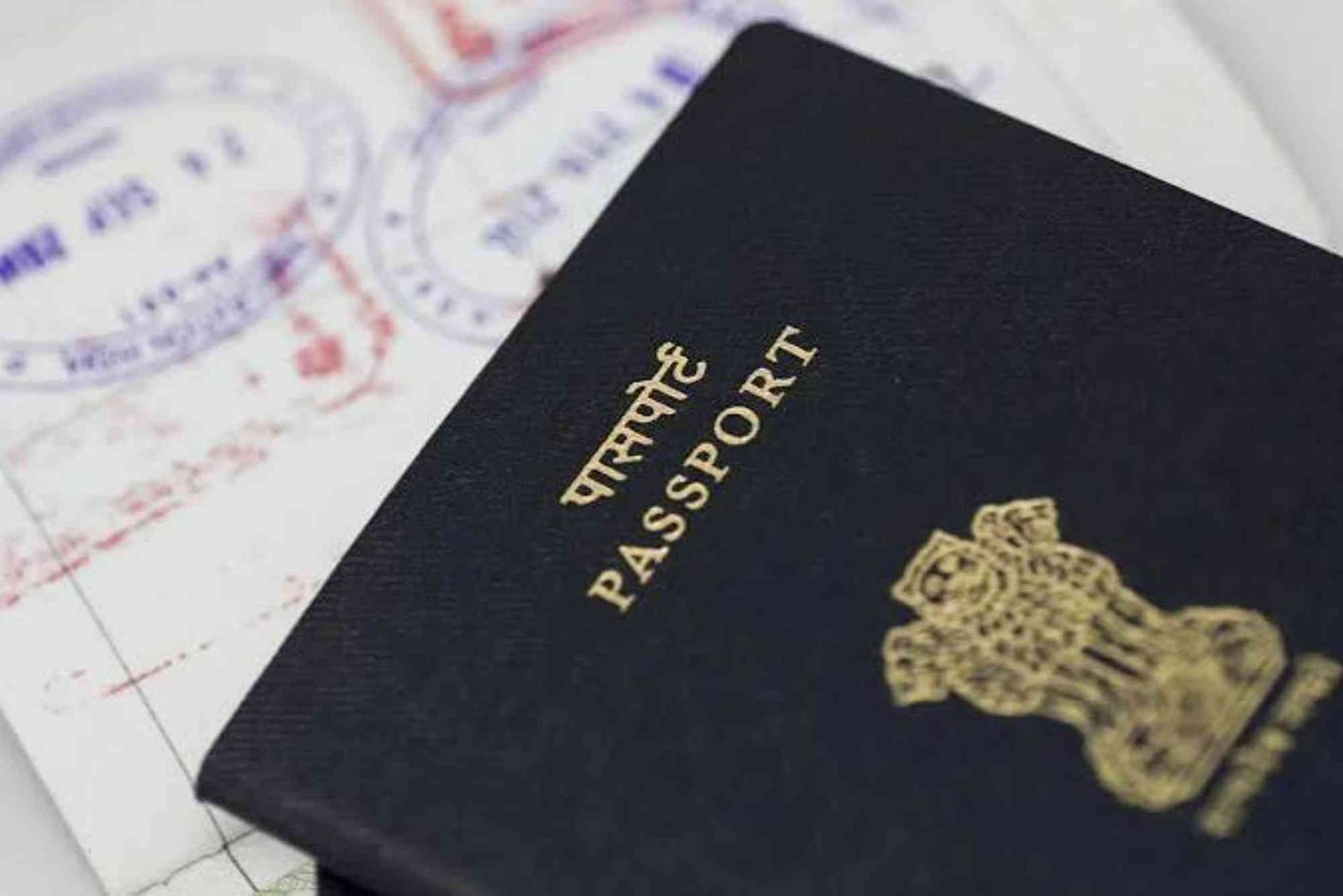
Transit Visa India Price in 2026: Latest Fees, Cost & Charges
Travelers passing through India often need to understand the exact visa requirements and expenses before planning their journey. The Transit Visa India Price in 2026: Latest Fees, Cost & Charges is an important topic for passengers who have connecting flights through Indian airports and may need temporary permission to enter the country. Knowing the latest fees, additional charges, and application requirements helps travelers avoid delays and unexpected expenses.
A transit visa allows foreign nationals to pass through India while traveling to another destination. It is mainly required when travelers need to leave the airport during a long layover or stay in India for a short period before continuing their journey. The total cost depends on nationality, application method, processing charges, and applicable service fees.
In 2026, travelers should carefully check updated visa rules before applying. Indian immigration policies can change, and understanding the latest requirements ensures a smoother travel experience.
What Is the Transit Visa India Price in 2026?
The Transit Visa India Price in 2026: Latest Fees, Cost & Charges varies depending on the applicant’s nationality and the type of transit visa required. India generally offers transit visas for travelers who need short-term entry while continuing their international journey.
The official visa fee is usually determined by Indian diplomatic missions. Applicants may also need to pay additional service charges if they apply through an authorized visa application center. Currency exchange rates can also affect the final amount paid by travelers.
A transit visa is generally valid for a short period and is designed only for temporary travel purposes. It does not allow travelers to stay in India for tourism, business, or employment activities.

Latest Transit Visa India Fees and Charges in 2026
The estimated cost structure for an Indian transit visa in 2026 can include several components. The exact amount may differ based on the applicant’s country and embassy regulations.
| Cost Component | Estimated Charges in 2026 |
|---|---|
| Transit Visa Application Fee | Varies by nationality |
| Embassy Processing Fee | Applicable according to location |
| Visa Service Center Charges | Additional service charges may apply |
| Document Processing Cost | Depends on applicant requirements |
| Urgent Processing Charges | Available in some locations |
Travelers should always confirm the latest fee before submitting their applications. Paying the correct amount helps prevent application delays or rejection.
Factors That Affect Transit Visa India Cost in 2026
Several factors influence the final price of a transit visa. The applicant’s nationality is one of the biggest factors because visa fees differ between countries.
Another important factor is the application location. Travelers applying from different countries may experience different service fees and processing costs. Some applicants may also require additional documentation, which can increase preparation expenses.
The method of application can also affect the total cost. Applying through an official embassy may have different charges compared with using a visa processing center.
Transit Visa India Processing Time and Additional Expenses
Besides the visa fee, travelers should consider other possible expenses during the application process. Document preparation, passport photographs, travel insurance, and transportation to visa centers can add to the overall budget.
The processing time depends on the embassy workload and application details. Most applicants should apply early to avoid problems before their scheduled flight.
Travelers planning international trips often compare visa expenses for different destinations. For example, those traveling through Asia may also research the Qatar visa requirements. Information about the Qatar On Arrival Visa for Indian Price in 2026 can help passengers understand alternative travel costs.
Who Needs an Indian Transit Visa in 2026?
Not every traveler passing through India requires a transit visa. Passengers who remain inside the international transit area and have a confirmed onward flight may not need one in certain situations.
However, travelers usually need a transit visa if they:
Need to pass through immigration control.
Need to collect and re-check baggage.
Have a long stopover requiring airport exit.
Want to stay in India before continuing their journey.
Requirements can vary based on airport facilities and nationality. Checking official guidelines before travel is strongly recommended.
Our detailed guide on Sri Lanka Tourist Visa Price in 2026 helps visitors explore the latest updates and prepare for a smooth travel experience with accurate and useful visa information.
How to Apply for an Indian Transit Visa in 2026
The application process requires careful preparation. Applicants generally need a valid passport, confirmed travel tickets, visa application forms, photographs, and supporting travel documents.
The traveler must provide accurate information because incorrect details can cause delays. After submitting the application and paying the required charges, applicants must wait for processing approval.
Many travelers also compare transit visa costs with tourist visa expenses when planning international trips. Planning a trip to the Maldives requires proper knowledge about visa requirements, application procedures, and expected expenses. Understanding the latest updates on Maldives Visit Visa Price in 2026 helps travelers prepare their budget and avoid unexpected costs.
Documents Required for Transit Visa India
Applicants generally need several important documents to support their transit visa request. These documents prove the purpose of travel and confirm that the applicant has an onward journey.
A valid passport with sufficient validity is required. Travelers should also provide confirmed flight tickets showing their departure from India. Additional documents may be requested depending on nationality and embassy requirements.
Providing complete documentation improves the chances of faster processing and reduces unnecessary delays.
Difference Between Transit Visa and Tourist Visa India
Many travelers confuse transit visas with tourist visas. Both allow entry into India, but their purposes are different.
A transit visa is designed for short stays during international travel connections. It does not allow visitors to explore India for tourism purposes.
A tourist visa is meant for travelers who want to visit India for sightseeing, cultural experiences, or leisure activities. It usually provides longer validity and different entry conditions.
Understanding this difference helps travelers choose the correct visa category and avoid immigration issues.
Tips to Reduce Transit Visa India Expenses in 2026
Planning early is one of the best ways to control travel costs. Applying in advance helps avoid urgent processing fees and last-minute expenses.
Travelers should prepare documents carefully and avoid mistakes in their applications. Incorrect information may lead to additional costs due to reapplication.
Comparing travel routes can also help reduce overall expenses. Some passengers choose destinations with simpler transit rules to make international journeys more affordable. Travelers planning trips to island destinations may also review the Maldives visa pricing information to compare travel expenses.
Common Mistakes Travelers Make When Applying for Transit Visa India
Many applicants make mistakes because they misunderstand transit visa requirements. One common mistake is assuming every passenger needs a visa or assuming no visa is required.
Another mistake is applying too close to the travel date. Visa processing delays can create problems, especially for travelers with fixed flight schedules.
Applicants should also ensure their passport details, flight information, and personal information match all submitted documents.
Is Transit Visa India Worth the Cost in 2026?
For travelers who need temporary entry into India, a transit visa can be a valuable investment. It provides legal permission to enter the country during a connecting journey.
The cost is usually small compared with the inconvenience of immigration problems, missed flights, or travel disruptions. Understanding the Transit Visa India Price in 2026: Latest Fees, Cost & Charges allows passengers to plan accurately and travel with confidence.
Frequently Asked Questions
What is the Transit Visa India Price in 2026?
How much does an Indian transit visa cost in 2026?
The cost depends on the applicant’s nationality and application location. Travelers should check the latest embassy fees before applying because charges may vary.
Is a transit visa required for a short layover in India?
Do I need an Indian transit visa if I stay inside the airport?
In many cases, passengers who remain in the international transit area may not require a visa. However, requirements depend on nationality, airport rules, and travel arrangements.
How long is an Indian transit visa valid?
What is the validity period of an India transit visa?
An Indian transit visa is generally issued for short-term travel purposes. The validity period depends on government rules and the applicant’s circumstances.
Can I apply for an Indian transit visa online?
Is online application available for India transit visa?
Applicants can check available application methods based on their nationality and location. Some travelers may need to apply through an Indian embassy or authorized visa center.
How early should I apply for an India transit visa?
When should I submit my transit visa application?
Travelers should apply well before their departure date. Early application provides enough time for processing and handling possible delays.
Conclusion
Understanding the Transit Visa India Price in 2026: Latest Fees, Cost & Charges helps international travelers prepare financially and avoid unexpected problems. Visa fees, service charges, and processing expenses can vary, so checking updated information before applying is essential.
Related Reading: Visa Price China in 2026: Latest Fees, Cost & Charges